


ST CLARE OF ASSISI
Santa Chiara d'Assisi
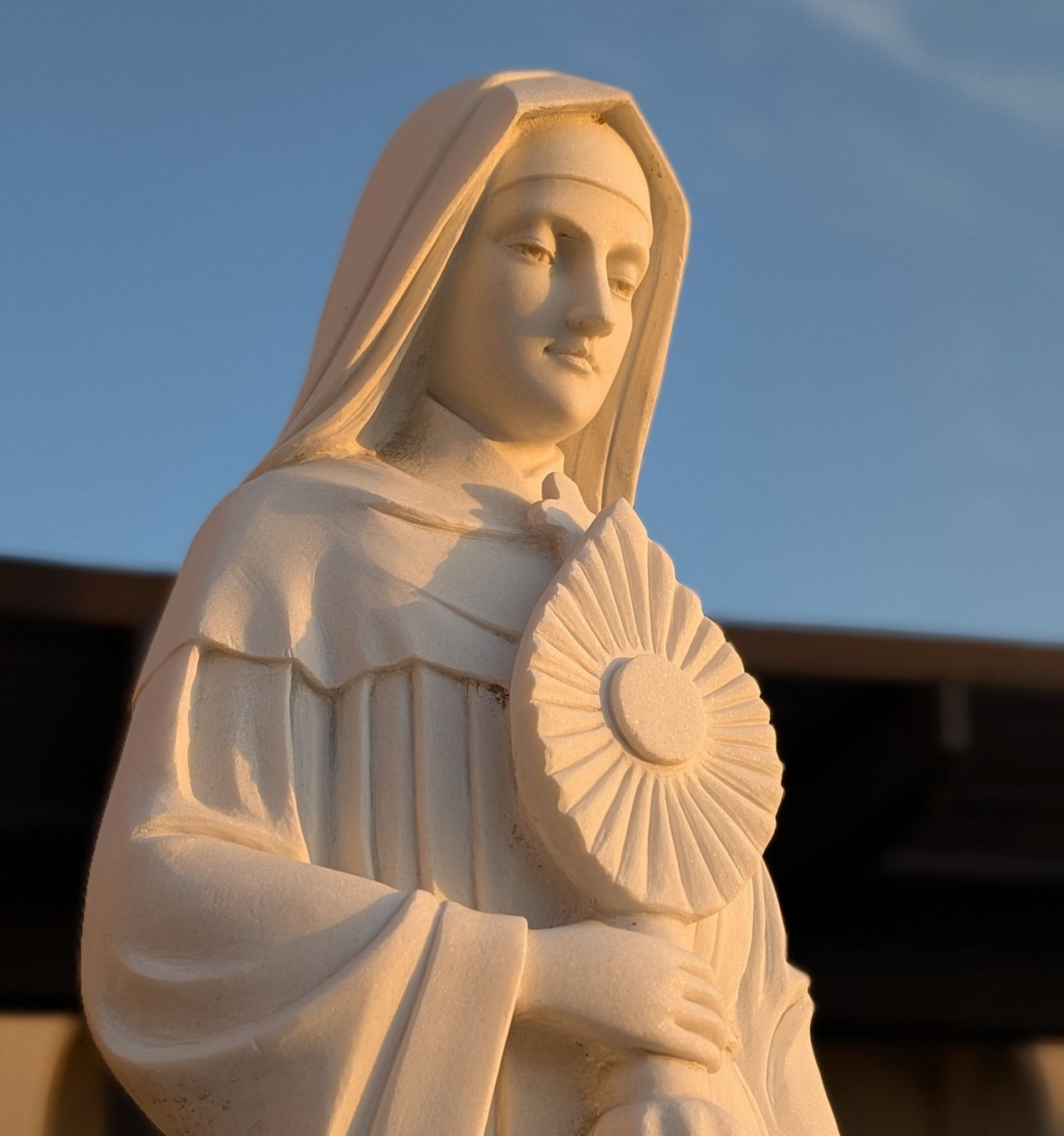
Who is St. Clare of Assisi?
St. Clare of Assisi — born Chiara Offreduccio in 1194 — is one of the most beloved saints of the Church, known for her courage, deep faith, and radical embrace of poverty. Her life is inseparable from that of St. Francis of Assisi, whose example inspired her to leave behind a life of nobility and follow Christ with total devotion.
She was born into a noble family in Assisi. Even as a child, she was known for her compassion, prayerfulness, and generosity to the poor. Though her parents hoped she would marry into another noble family, Clare felt called to a different path — one of simplicity and service.
Everything changed when she heard St. Francis preach during Lent. His words about living the Gospel with total authenticity stirred something deep within her. She sought him out and asked for guidance in following Christ more fully.
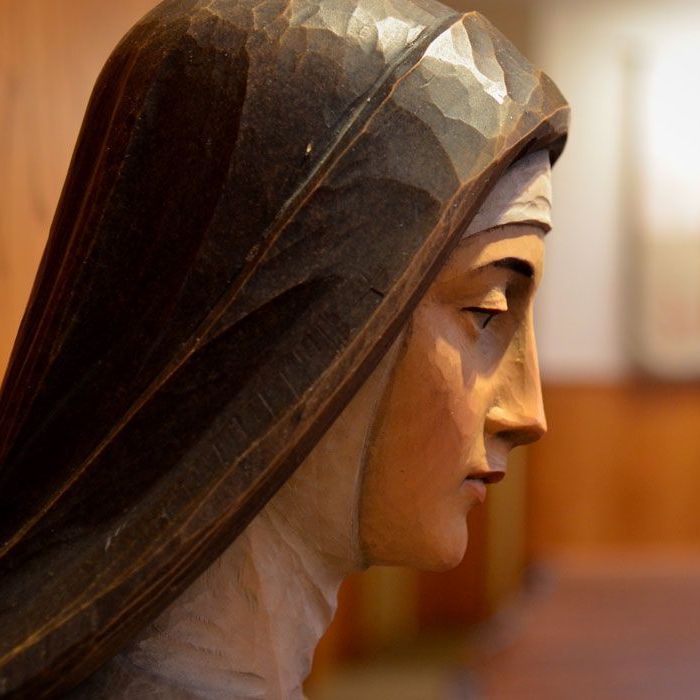
"Let the love you have in your hearts be shown outwardly in your deeds"
Saint Clare of Assisi
Novena Payer
O glorious Saint Clare!
God has given you the power of working miracles continually, and the favor of answering the prayers of those who invoke your assistance in misfortune, anxiety, and distress; we beseech you, obtain for us from Jesus, through Mary, His Blessed Mother, what we beg of you so fervently and hopefully, if it be for the greater honor and glory of God and for the good of our souls.
O Blessed Saint Clare, your life shines like a beacon and cast its light down the ages of the Church to guide the way of Christ.
Look with compassion on the poor and humble who call on you for help. As you bow before your Eucharistic Lord in Heaven, speak to Him of my afflicted body and my broken spirit. Ask Him to heal me and to wash away my sins in His precious Blood.
Great Servant of Christ, remember the needs of my family and all those I pray for. Defend us from everything that would threaten our Holy Catholic faith.
Hear the cry of the poor and make it a song of intercession, rising from your poor heart to the Eucharistic Heart of Jesus, our Healer, our Savior, and our Lord. Amen.
Saint Clare Pray For Us
Amen.
A Life Radiant with Faith
A Daring Escape and a New Life
On Palm Sunday night in 1211 or 1212, Clare made a courageous decision. Under the cover of darkness, she left her family home and joined St Francis at the Porziuncola, where she consecrated her life to God exchanging her fine clothing for a simple habit.
Her family tried to bring her home, but Clare stood firm. Soon, her sister Agnes, her mother Ortolana, and many other women joined her.
Foundress of the Poor Clares
St Francis placed St Clare and her growing community in the small monastery of San Damiano, where she became abbess in 1216. There, St Clare founded a new form of religious life called the Order of Poor Ladies, later known as the Poor Clares.
What made her order unique?
- Radical poverty — no personal or communal possessions
- A life of prayer, contemplation, and simplicity
- Sisterhood rooted in humility and joy
Clare eventually wrote the first monastic rule ever authored by a woman, emphasizing the “privilege of poverty.” It was approved just two days before her death
A Woman of Miracles and Deep Prayer
Clare spent much of her later life ill, yet her spirit remained strong. She was known for:
- Tireless Eucharistic devotion
- Miracles of protection, including driving away invaders by raising the Blessed Sacrament in a monstrance
- Profound spiritual wisdom, expressed in her letters and writings
One of the most famous miracles occurred near the end of her life: though bedridden, she saw and heard the Christmas Mass taking place across Assisi as if it were happening in her room. This is why she is the patron saint of television
Her Passing and Legacy
St. Clare died on August 11, 1253, surrounded by her sisters at San Damiano. Her final words were a prayer of gratitude to God. She was canonized just two years later, a testament to her holiness and the impact of her life.
Today, the Poor Clares continue her mission of prayer, simplicity, and joyful trust in God. Her life remains a shining example of what it means to follow Christ wholeheartedly
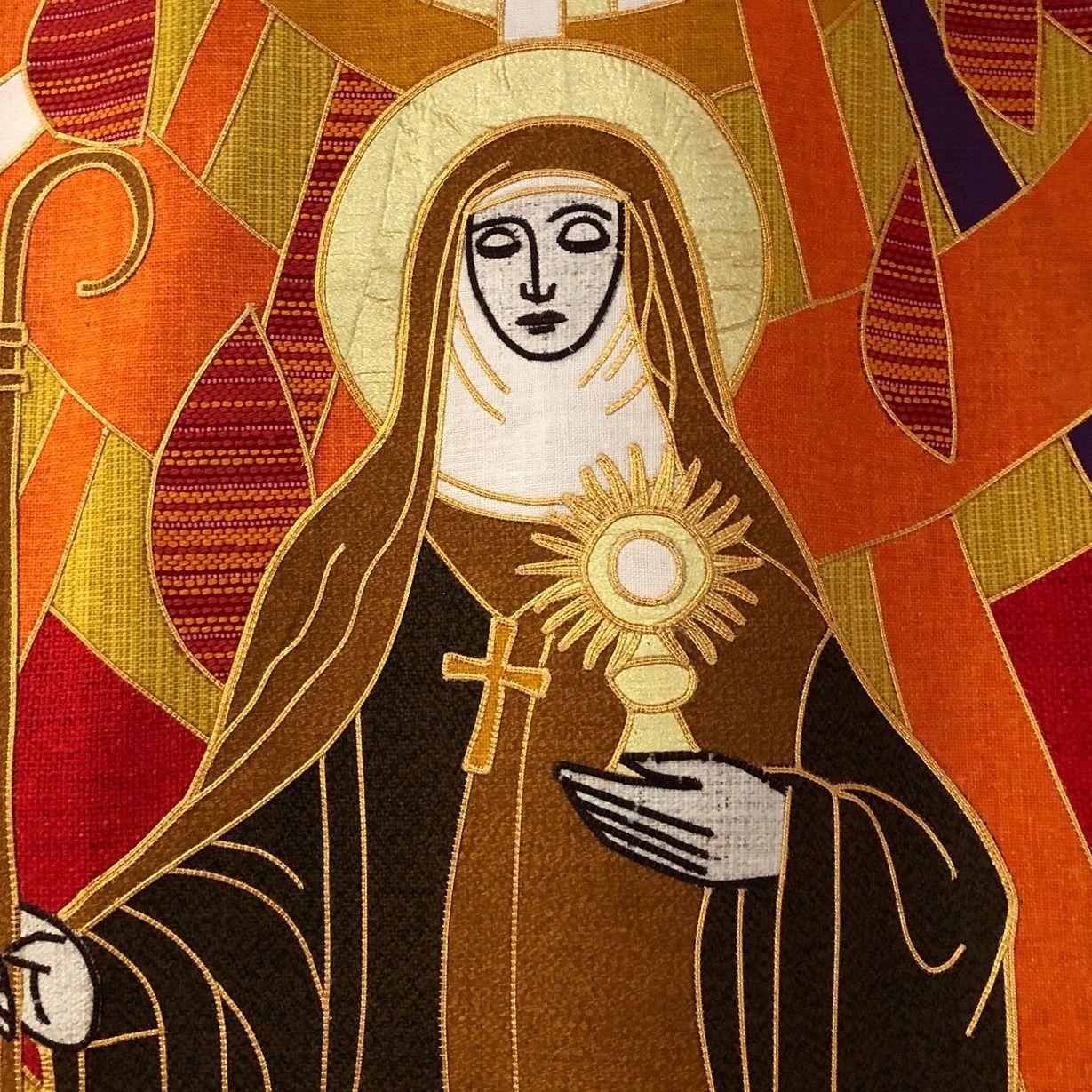
St Clare's Enduring Light
St. Clare’s influence did not end with her death in 1253 — her spirituality, her order, and her symbols continue to shape the Church today. Her legacy lives on through the Poor Clares, her patronages, and the emblems that express her charism. Below is a polished, parish‑friendly section you can add directly to your St. Clare website
The Poor Clares Today
The religious community founded by St. Clare — originally called the Poor Ladies — is now known worldwide as the Poor Clares. They remain one of the Church’s most faithful contemplative orders.
- Poor Clares — Cloistered nuns who live a life of prayer, simplicity, and total trust in God.
- Radical Poverty — They continue Clare’s “privilege of poverty,” owning nothing personally or communally, a rule approved just two days before her death.
- Global Presence — Today, Poor Clare monasteries exist on every continent, praying daily for the Church and the world.
Their quiet, hidden life is a living continuation of Clare’s belief that prayer is a “spiritually vitalizing force for church and society.”
Her Patronage in the Life of the Church
St. Clare’s patronages reflect both her life and the miracles associated with her:
- Television — Declared patroness in 1958 after she miraculously saw and heard Midnight Mass from her sickbed as if it were broadcast.
- People with Eye Disorders — A traditional patronage tied to healing and clarity of vision.
- Embroidery and Needleworkers — Reflecting the careful, humble work of monastic life.
- The Poor — Her radical poverty makes her a model for those who serve and live among the poor.
- Women in Religious Life — As a foundress and spiritual mother, she inspires women discerning a vocation.
Additional patronages include goldsmiths, laundry workers, bicycle messengers, good weather, and remote viewing
Emblems and Symbols of St. Clare
St. Clare is often depicted with symbols that express her virtues and miracles:
- Monstrance or Pyx — Represents the miracle in which she held up the Blessed Sacrament and turned away invading soldiers.
- Lamp or Lantern — Symbolizes her role as a light of faith and her guidance of the Poor Clares.
- Lily — A sign of purity and devotion.
- Crozier — Marks her authority as abbess of San Damiano.
- The Habit of the Poor Clares — Brown tunic, white veil, and rope cincture, symbolizing humility and simplicity.
These emblems make her instantly recognizable in sacred art and communicate her spiritual identity.
A Beacon of Faith for the Modern World
St. Clare’s life speaks powerfully to the modern world:
- A witness of simplicity in a culture of excess
- A model of courage for those discerning God’s call
- A reminder of the power of prayer in times of uncertainty
- A champion of dignity for the poor
- A patroness of media, challenging us to use technology for truth and goodness
Her message is timeless: “Place your mind before the mirror of eternity.”
Her life invites us to see Christ clearly and follow Him wholeheartedly.
Patron Saint of Our Parish
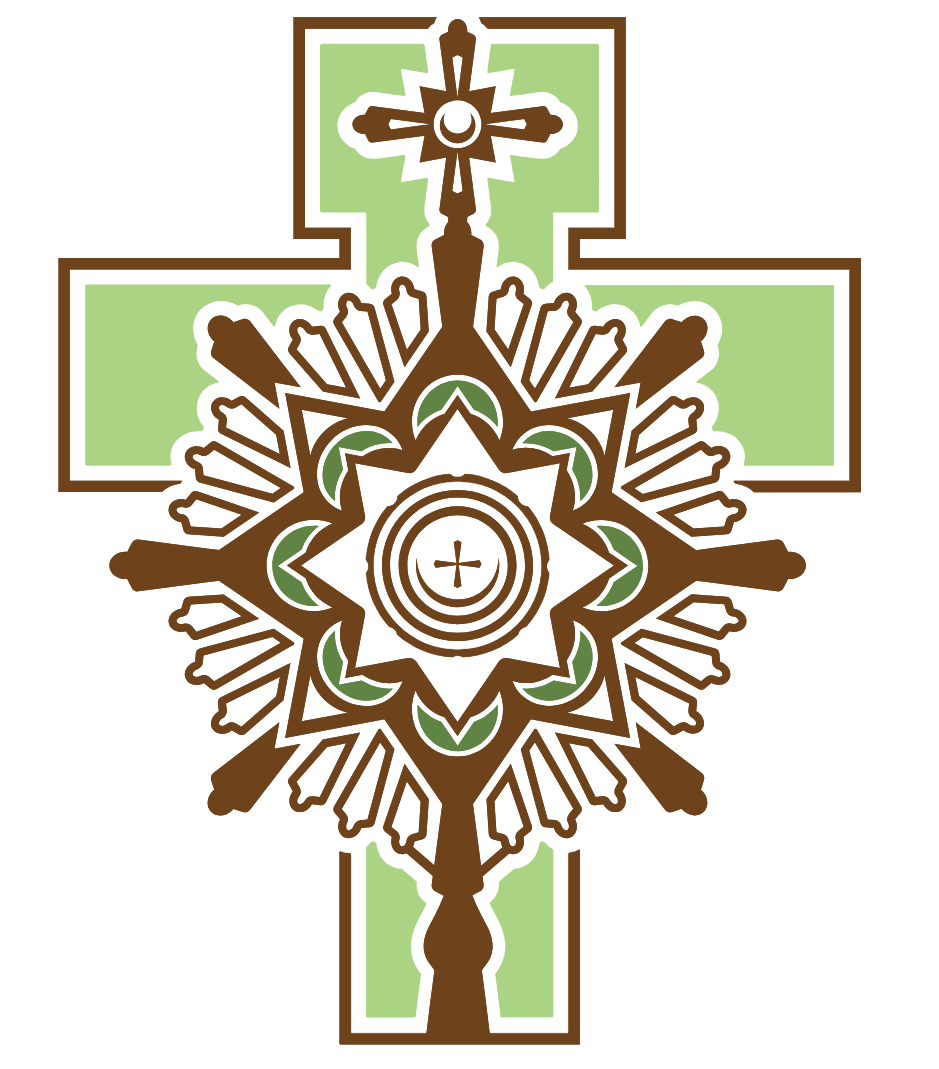
Our Parish Logo
St. Clare, the patron saint of our parish, inspires the heart of our community and the mission we strive to live. Our parish logo is designed to reflect her spirituality while keeping Christ at the center of everything we do.
The logo features one of her most beloved emblems — the monstrance, symbolizing her profound devotion to the Eucharistic Lord. Behind it stands the silhouette of the San Damiano Cross, the cross that shaped her vocation and the Franciscan movement.
Together, these symbols express our desire to follow her example of faith, humility, and Eucharistic love, always rooted in Christ who is the source and center of our parish life.
